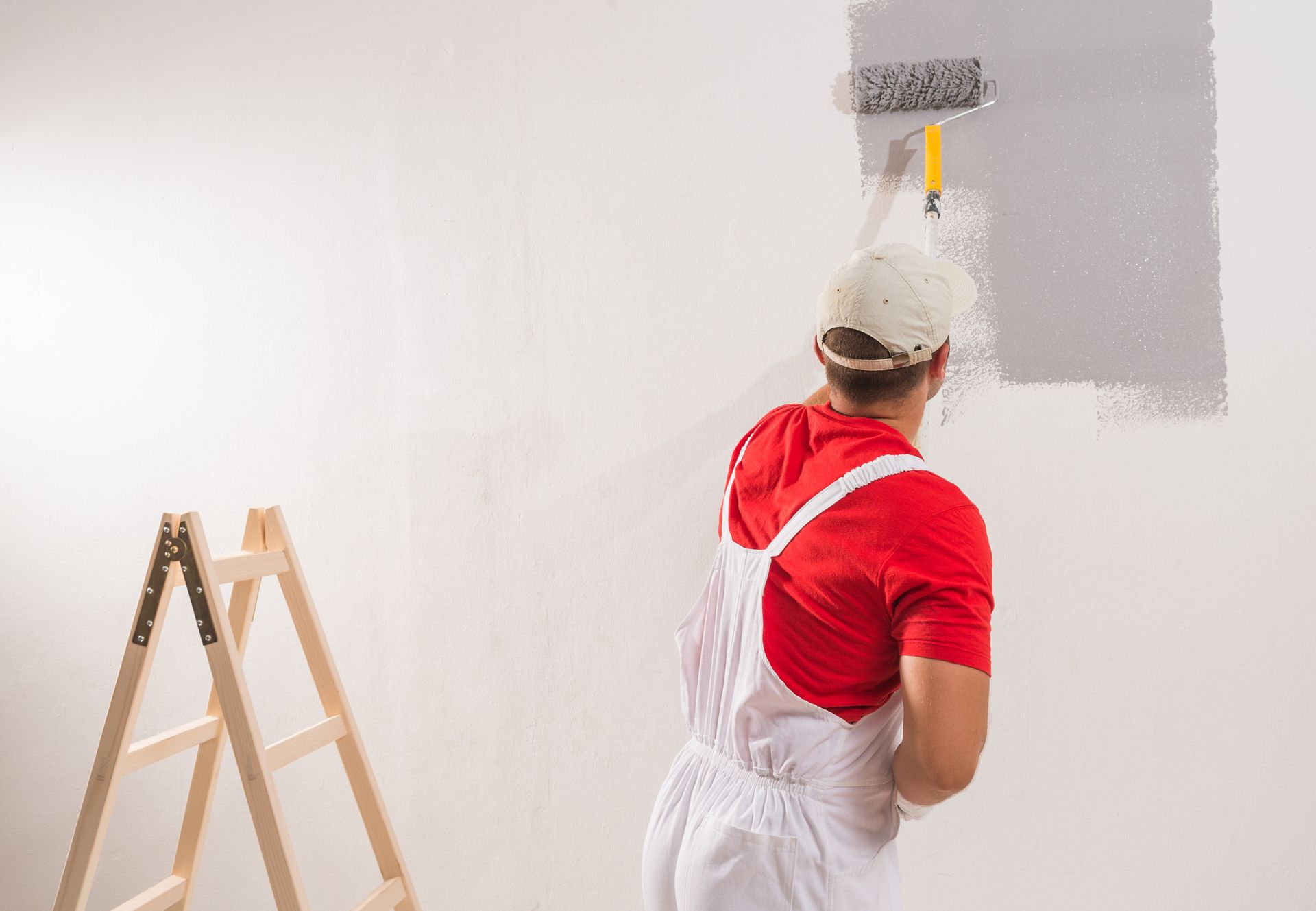

Exterior House Painters: Best Time of Year to Paint Your Home
If you're a homeowner in Carlisle, MA, you already know that New England weather is no joke. Cold winters, wet springs, humid summers, and unpredictable falls all play a major role in how well your home's paint job holds up. Knowing when to hire exterior house painters can be the difference between a finish that lasts a decade and one that starts peeling within a year. This guide breaks down each season so you can plan your project with confidence.
Why Timing Matters for Exterior House Painters
Paint is not just about looks. It protects your siding, trim, and wood from moisture, UV rays, and temperature swings. When professional painters apply paint in the wrong conditions, the results can include bubbling, peeling, poor adhesion, and premature fading. In Massachusetts, where weather shifts dramatically throughout the year, timing your project correctly is essential for long-lasting results.
Temperature and humidity are the two biggest factors. Paint needs the right environment to bond to surfaces and cure fully. Too cold, and the paint won't cure. Too hot or too humid, and it dries too fast or traps moisture underneath. Experienced exterior house painters know how to read these conditions and plan accordingly.
Season-by-Season Guide for Carlisle Homeowners
Spring (March to May): Promising but Unpredictable
Spring in Massachusetts brings longer days and warming temperatures, which sounds ideal. However, it also brings a lot of rain and high moisture levels in the air and on surfaces. Wood siding and trim absorb moisture from rain and morning dew, which can prevent paint from adhering properly.
That said, spring is not off the table. If you get a stretch of dry days with temperatures above 50°F, skilled exterior house painters can move forward with prep and painting. The key is making sure surfaces have been dry for at least 48 hours before any paint touches them. A moisture meter can help confirm this before work begins.
Summer (June to August): The Most Popular Window
Summer is the busiest season for exterior house painters in Carlisle and across Massachusetts for good reason. Warm temperatures, longer daylight hours, and generally lower humidity create near-ideal conditions for paint to dry and cure properly.
The sweet spot for exterior painting is temperatures between 50°F and 85°F. On a typical Massachusetts summer day with moderate humidity, latex paint performs at its best. However, be cautious on days when temperatures creep above 90°F. Extreme heat causes paint to dry too quickly, which can result in a patchy or uneven finish.
Fall (September to October): A Hidden Gem for Exterior Painting
Early fall is one of the most underrated windows for exterior house painters in New England. Temperatures are mild, humidity tends to drop compared to summer, and there is still plenty of daylight to work with. Many pros actually prefer early fall over peak summer for this reason.
The ideal temperature window remains 50°F to 85°F, and September and early October in Carlisle, MA, typically fall comfortably within that range. Day and night temperatures are also more consistent in early fall, which helps paint cure evenly overnight.
One thing to watch in fall is moisture from rain and falling leaves. Leaves can land on wet paint and leave marks. Rain becomes more frequent as October progresses, so timing becomes more critical. Experienced painting crews monitor forecasts closely and plan work around dry stretches of at least four to five days.
Winter (November to March): Proceed With Caution
Winter in Massachusetts is, in a word, harsh. Freezing temperatures, snow, ice, and high moisture make outdoor painting nearly impossible for most of the season. Traditional paint formulas should not be applied when temperatures drop below 50°F, and nights in Carlisle regularly fall well below that threshold from November through March.
Some modern paint products from brands like Sherwin-Williams and Benjamin Moore have been formulated to work in temperatures as low as 35°F. However, even with these specialty products, the surface itself must meet the temperature requirement, not just the air around it. In most cases, winter is best used for planning, color selection, and booking your spring or summer project with exterior house painters in advance.
Key Weather Conditions That Affect Paint Quality
No matter what season you choose, keep these conditions in mind before any exterior painting project begins:
- Temperature: Stay between 50°F and 85°F for best results with latex paint. Going above 90°F or below 50°F leads to adhesion problems and an uneven finish.
- Humidity: The ideal range is 40% to 70%. High humidity slows drying and can cause blistering and bubbling on your siding.
- Rain: Surfaces must be completely dry, and no rain should be in the forecast for at least four to five days after painting to allow full curing.
- Wind: Windy days can blow debris into wet paint and cause uneven drying. Calm days are always better for a smooth, clean result.
- Direct sunlight: Intense sun on hot surfaces can cause paint to dry before it fully bonds. Early morning applications are best on sunny days to avoid this issue.
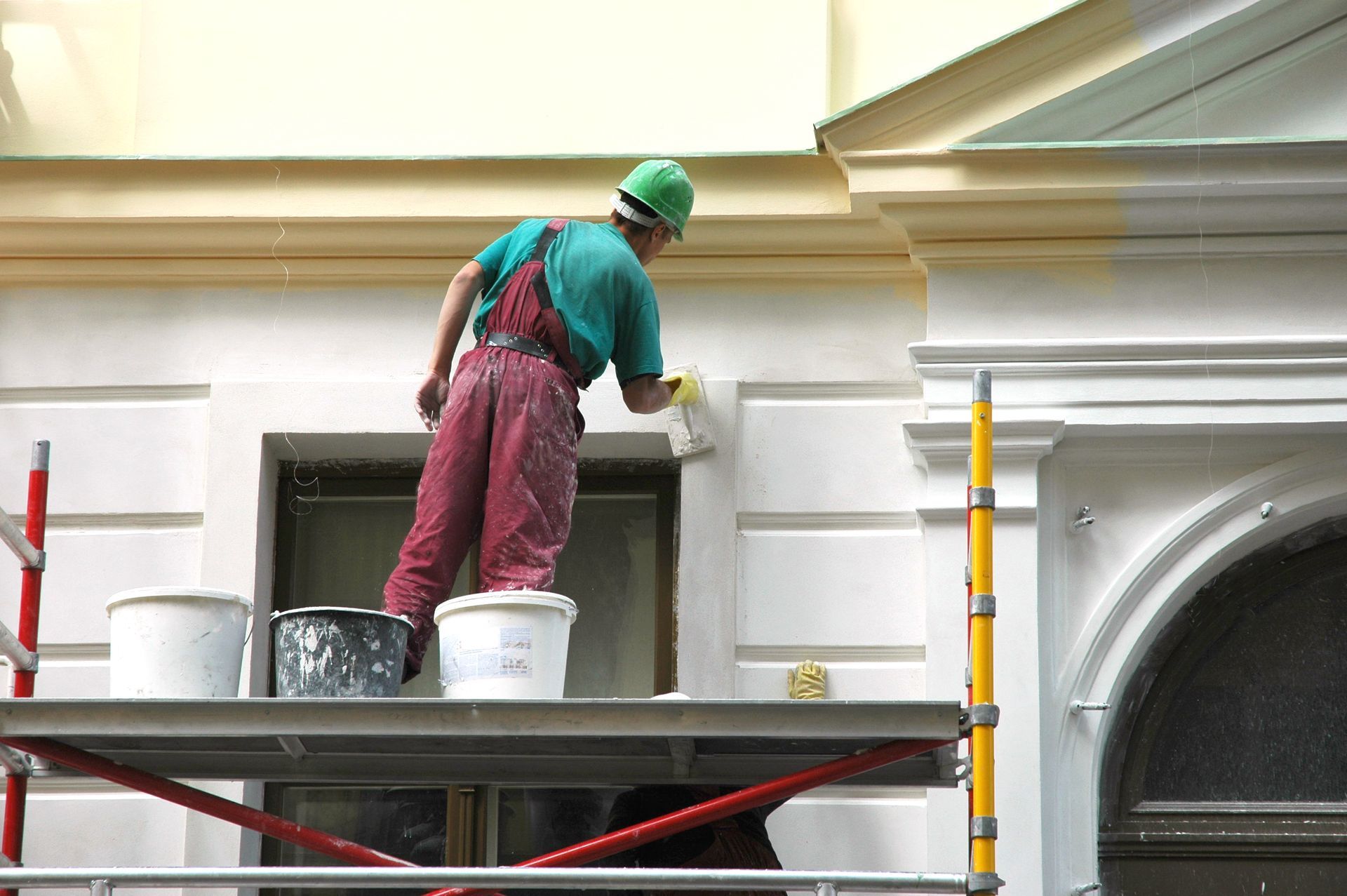
Ready to Schedule Your Exterior Painting Project?
The best time to paint your home's exterior is when conditions are right and your schedule is ready. For most Carlisle, MA homeowners, late spring through early fall offers the most reliable windows. Planning ahead gives you first pick of prime scheduling slots and the best chance at ideal weather. Contact EN Painting Services today for a free, no-obligation estimate. Your home deserves a finish that lasts, and EN Painting Services is here to make that happen.